Tell us what you need
Share your goals, preferences, scheduling needs, and the type of support you are seeking.
Be Well Community Urgent Care & Wellness Center, formerly A. L. Colley & Associates, brings together therapy, coaching, consulting, and faith-sensitive care for individuals, couples, families, and organizations.








We accept self-pay, Health Savings Accounts (HSA), Mastercard, Discover, and Visa.
Share your goals, preferences, scheduling needs, and the type of support you are seeking.
Our team considers clinician focus, availability, location, format, and insurance information.
We follow up with appropriate options so you can decide whether you would like to schedule.



Each option explains what the service is, who it is designed for, and what happens after you choose it. Explore a page, then request a free consultation when you are ready.
Private, one-to-one counseling focused on the concerns affecting daily life.
A structured place to understand conflict, rebuild trust, and practice repair.
Practical conversations about commitment, money, family, roles, and expectations.
Trauma-informed counseling paced around safety, regulation, and recovery.
Support for the emotional and practical changes that follow a loss.
Practical work on attention, time, routines, follow-through, and regulation.
Facilitated care that uses shared experience, reflection, and community.
Clinical counseling that can include faith at the level you choose.
Case consultation, ethical reflection, documentation, and clinician development.
Custom learning programs for communication, leadership, and team wellbeing.
Audience-specific talks and workshops built around a clear event outcome.
We thoughtfully match each client with a compassionate therapist who understands their needs, goals, and story.

Founder, CEO & Head Therapist



When stress and daily demands pull you in every direction, it can be difficult to hear what your mind and body need.
Therapy can help you slow down, recognize patterns, and build practical ways to feel more grounded, present, and in control of your next step.
Explore support options

Every relationship changes as people grow. Sometimes families need a supportive place to reconnect and understand one another more clearly.
We create space for honest conversations, strengthen communication, and help you develop healthier ways of navigating conflict, connection, and change together.
Explore relationship careBe Well Community exists to help people understand what is holding them back, reconnect with the strengths already within them, and build lives marked by greater awareness, purpose, connection, and well-being.


Our mission is to provide compassionate, culturally responsive care that helps individuals, couples, families, and organizations confront difficult realities without being reduced to them.
We believe clients bring knowledge, resilience, values, relationships, culture, and lived experience into the room. Therapy is not something done to a person. It is a collaborative process that helps people better understand themselves, develop useful skills, and make changes that fit their actual lives.
Formerly A. L. Colley & Associates, Be Well Community continues a tradition of warmth, optimism, honest conversation, and thoughtful perspective while growing into a broader community of clinicians and services.
You cannot overcome what you will not confront.
We approach difficult conversations with compassion, respect, appropriate humor, and the belief that insight can create room for new choices.
Every person arrives with a different history, identity, support system, and definition of healing. Our role is to listen carefully and shape care around that reality.
Your therapist takes time to understand your concerns, strengths, culture, relationships, faith or spiritual perspective, and the context surrounding your life.
Goals and treatment direction are developed collaboratively. You are encouraged to ask questions, share feedback, and participate actively in decisions about your care.
Understanding matters, but so does what changes outside the therapy room. Care can include reflection, practical skills, new ways of communicating, and realistic next steps.
These commitments shape how we welcome clients, build therapeutic relationships, and make decisions as a practice.
Find your next step →We meet pain, uncertainty, and change without shame or judgment.
We respect how identity, family, community, culture, faith, and systemic realities shape mental health and healing.
We value ethical practice, appropriate boundaries, honest communication, privacy, and professional accountability.
We believe meaningful change can begin with small, sustainable choices and a willingness to try something new.


Well-being does not exist in isolation. That is why Be Well Community brings therapy together with coaching, clinical supervision, corporate training, keynote speaking, and faith-sensitive support.
Our clinicians serve people navigating anxiety, depression, grief, trauma, ADHD, relationship concerns, family changes, questions of identity and purpose, professional stress, and other life experiences. When a requested service is outside our scope or current availability, we aim to communicate clearly and help identify an appropriate next step.
Tell us what you are looking for, and our care team will help you explore therapist fit, scheduling, insurance, and current availability.
Request a ConsultationThis policy explains how Be Well Community handles information connected with your use of this website.
Effective August 4, 2026
This Website Privacy Policy applies to the Be Well Community website and the information handled through its public-facing features. In this policy, “Be Well Community,” “we,” “our,” and “us” refer to Be Well Community Urgent Care & Wellness Center.
This policy is different from our HIPAA Notice of Privacy Practices, which describes how protected health information may be used and disclosed in connection with clinical care. Using this website does not by itself create a therapist-client relationship.
You may choose to provide information when requesting a consultation, completing a contact form, calling us, or emailing us. Depending on the feature you use, that information may include:
Please provide only the minimum information needed for our administrative team to respond. Website forms are not intended for detailed clinical information, psychotherapy notes, medical records, emergency messages, or payment-card data.
When you visit the website, our hosting and network providers may automatically process basic technical information needed to deliver and protect the site. This may include an IP address, browser and device type, requested pages, date and time of access, referring page, and diagnostic or security logs.
The website does not currently include third-party advertising pixels or a dedicated marketing-analytics service. If those practices change, this policy will be updated.
Information connected with the website may be used to:
We do not sell personal information submitted through this website or use website inquiries for targeted advertising.
The contact and consultation features are intended to begin an administrative conversation. They are not a secure patient portal, do not provide emergency monitoring, and should not be used for urgent or crisis communications.
If you are experiencing a mental-health crisis, call or text 988. If there is immediate danger, call 911 or go to the nearest emergency department.
Submitting a request does not guarantee an appointment, establish treatment, confirm insurance coverage, or create a therapist-client relationship. Care begins only after the appropriate intake, consent, and scheduling steps have been completed.
Selecting an email or telephone link may open an application or service controlled by your device or communications provider. Ordinary email and text messaging may not be fully secure. Please avoid including sensitive health information unless our team has directed you to an approved secure method.
When you ask us to contact you, we may use the phone number, email address, and contact preference you provide to respond to your request.
We may rely on service providers that support website hosting, security, maintenance, communications, and administrative operations. They may process information only as needed to provide those services or meet legal and security obligations.
We may also disclose information when required by law, legal process, or a valid government request; to investigate misuse or security incidents; or when reasonably necessary to protect rights, safety, and property.
The website embeds Google Maps to display our office location and links to Google Maps for directions. Loading or using those features may allow Google to receive technical information and apply its own cookies or privacy practices.
We also link to independent resources such as 988 Lifeline, Crisis Text Line, and community-support organizations. Be Well Community does not control those websites. Review the privacy policy of an external service before providing information to it.
Be Well Community does not currently use website cookies for targeted advertising. Essential hosting or security technologies may be used to deliver the site, and embedded third-party features such as Google Maps may use their own cookies or similar technologies. Browser settings can be used to limit or delete cookies, although doing so may affect certain third-party features.
Information received through website-related communications may be retained only as long as reasonably necessary to respond, coordinate requested services, meet operational needs, resolve disputes, maintain security, and satisfy legal or recordkeeping requirements.
We use reasonable administrative and technical safeguards appropriate to the nature of the information. However, no website, email, or internet transmission can be guaranteed to be completely secure.
You may choose not to submit information through the website and may contact the office by telephone instead. You may also contact us to ask about personal information you previously provided through a website inquiry, request a correction, or ask whether it can be deleted. Some information may need to be retained when required for legal, clinical, billing, security, or recordkeeping purposes.
This public website is intended for a general audience and is not designed for children to independently submit personal information. A parent, legal guardian, or other authorized adult should contact us regarding services for a minor.
We may revise this policy when website features, service providers, or legal requirements change. The effective date at the top of the page identifies the current version. Material updates will be posted on this page.
Questions about this Website Privacy Policy may be directed to:
Be Well Community Urgent Care & Wellness CenterFor questions about protected health information or clinical records, please review or request our HIPAA Notice of Privacy Practices.
Your Information. Your Rights. Our Responsibilities.
This notice describes how medical information about you may be used and disclosed and how you can obtain access to this information. Please review it carefully.
Effective August 4, 2026
This Notice of Privacy Practices describes how Be Well Community Urgent Care & Wellness Center (“Be Well Community,” “we,” “our,” or “us”) may use and disclose your protected health information (“PHI”), our responsibilities for safeguarding that information, and the rights you have under federal and applicable state law.
This notice applies to health and billing records created or maintained by Be Well Community and to the clinicians, employees, trainees, administrative personnel, and authorized contractors who participate in our care and operations as permitted by law.
We are required by law to maintain the privacy and security of your PHI, provide you with this notice of our legal duties and privacy practices, and follow the notice currently in effect. We will notify you promptly if a breach occurs that may have compromised the privacy or security of your information.
We may revise this notice and make the revised notice effective for all PHI we maintain, including information created or received before the revision. The current notice will be available on this website and from our office upon request.
You may exercise the following rights by submitting a request to our Privacy Officer. We may ask you to make certain requests in writing and verify your identity.
We may use and disclose PHI without a separate written authorization for purposes permitted by law, including:
We apply the minimum-necessary standard when required and disclose only the information reasonably needed for the permitted purpose.
Be Well Community uses TherapyNotes as an electronic health-record and practice-management platform for functions such as clinical documentation, scheduling, billing, and secure patient communications. TherapyNotes and other vendors that perform services involving PHI may act as our business associates and are required by contract and law to safeguard the information entrusted to them.
Using TherapyNotes does not transfer Be Well Community’s responsibility for our own privacy practices. Please use the secure patient portal or another method approved by our office for sensitive clinical information rather than ordinary email or public website forms.
We may use or disclose PHI without your written authorization when permitted or required by law. Examples may include:
Additional protections under state or federal law may apply to particular categories of information. When another law provides greater privacy protection, we will follow the more protective requirement.
Mental-health information is sensitive and may receive protections beyond those applicable to other health information. “Psychotherapy notes” has a specific legal meaning: notes recorded by a mental-health professional documenting or analyzing the contents of a counseling conversation that are maintained separately from the rest of the clinical record.
Most uses and disclosures of psychotherapy notes require your written authorization, except for limited purposes permitted by law. The ordinary clinical record—including diagnoses, treatment plans, symptoms, progress summaries, medications, appointment information, and billing records—is not automatically considered psychotherapy notes.
Records concerning substance-use-disorder treatment and reproductive healthcare may be subject to additional federal or state protections. We will use and disclose such information only as permitted by applicable law and will obtain any authorization or attestation required for a particular disclosure.
If information protected by the federal substance-use-disorder confidentiality regulations is received or maintained by the practice, it may not be used or disclosed in proceedings against an individual except as permitted by applicable law or with appropriate written consent or legal process.
Uses and disclosures not otherwise permitted or required by law generally require your written authorization. This includes most uses or disclosures of psychotherapy notes, most uses for marketing, and any sale of PHI. We will not use or disclose PHI for fundraising unless the law permits it and this notice is updated accordingly.
You may revoke an authorization in writing at any time. Revocation will not affect actions already taken in reliance on the authorization or circumstances in which the law otherwise permits the use or disclosure.
When permitted by law and consistent with your preferences, we may share information directly relevant to the involvement of a family member, close friend, caregiver, or other person assisting with your care or payment. If you are unavailable or unable to express a preference, we may use professional judgment and applicable law to determine whether a disclosure is in your best interest.
We may contact you about appointments, treatment, billing, benefits, care coordination, or available health-related services. Tell us if you need communications sent in a particular way or to a particular location.
Ordinary email and text messages may not be fully secure. Please avoid sending detailed clinical information through unsecured communications. This website and its public forms are not emergency services and are not continuously monitored.
If you believe your privacy rights have been violated, you may file a complaint with our Privacy Officer or with the U.S. Department of Health and Human Services Office for Civil Rights. We will not retaliate against you for filing a complaint or exercising your privacy rights.
Information about filing a federal complaint is available at hhs.gov/hipaa/filing-a-complaint, or you may contact the Office for Civil Rights at 1-800-368-1019.
Contact our Privacy Officer to ask a question, exercise a privacy right, request a copy of this notice, or submit a complaint:
Privacy OfficerTrusted starting points for urgent support, community care, and learning more about common mental-health concerns.
Be Well Community is not an emergency service. If you or someone else is in immediate danger, call 911 or go to the nearest emergency department.
Text HOME to 741741 for free, confidential crisis support.
Learn more →Find local mental-health, substance-use, and emergency resources in Philadelphia.
Find local help →Philadelphia’s 24-hour domestic violence hotline is 1-866-723-3014.
View City support resources → Call the hotline →Learn how Be Well supports anxiety, grief, trauma, ADHD, relationships, and other concerns.
Meet our therapists →These links are provided for general information and do not replace professional diagnosis, treatment, or emergency care.
A simple guide to getting started, payment, appointments, privacy, and finding the right therapist.
Contact our care team if your question is not answered here.
Contact UsRequest a free consultation online or call (267) 800-6589. Our team will learn about your needs, scheduling preferences, and insurance before helping you choose a clinician.
Availability changes as clinicians’ schedules change. Submit a consultation request with your preferred days, times, service, and therapist preferences, and our care team will let you know which options are currently available.
Start with your goals, the concerns you want to address, scheduling needs, insurance, and the kind of therapeutic relationship that helps you feel comfortable. You can review our therapist profiles or select “no preference” and ask our care team to help you find a good match.
Be Well Community offers individual, couples, marital and premarital, group, grief, trauma and PTSD, ADHD-related, and Christian or pastoral counseling. We also provide clinical supervision, coaching, corporate training, and keynote speaking.
The consultation is a brief opportunity to discuss what brings you in, your scheduling and insurance needs, and the type of support you are seeking. It helps our team identify an appropriate clinician or service; it is not a therapy session or emergency service.
Your therapist will begin learning about your concerns, history, strengths, and goals. You will also discuss confidentiality, office policies, and what working together may look like. The first few appointments help you and your therapist determine fit and develop a plan for care.
Standard therapy sessions are 60 minutes.
Many clients begin with weekly appointments, but frequency depends on your needs, goals, clinical recommendations, schedule, and coverage. You and your therapist will discuss a rhythm that supports meaningful progress.
There is no single timeline. Therapy length depends on your goals, the concerns you are addressing, how long they have been present, and how your needs change. Your therapist will review progress with you and adjust the plan when appropriate.
Virtual availability depends on the clinician, service, and the state where you are located during your appointment. Ask our team about the options available to you.
A strong therapeutic relationship matters. You can discuss your concerns directly with your therapist or ask our care team for a different clinician. Asking for a different clinician is a normal and welcome part of finding effective care.
Please cancel or reschedule at least 48 hours before your appointment. Missed appointments and cancellations made with less than 48 hours’ notice will be charged. Contact the office or your clinician as soon as possible if you need to make a change.
We work with many major insurance plans. Coverage varies by plan and clinician, so our team will help verify benefits before your first appointment.
Benefits differ even between plans from the same insurance company. We recommend calling the member-services number on your insurance card and asking about outpatient mental-health benefits, telehealth coverage, your deductible, copay or coinsurance, and whether your selected clinician is in network.
A deductible is the amount you may need to pay before your plan begins sharing costs. A copay is a fixed amount due for a covered visit. Coinsurance is a percentage of the allowed cost that you pay. Your insurer can explain how these apply to your specific plan.
Self-pay is available. Be Well Community accepts major credit cards and Health Savings Account funds. Ask the care team for the current fee for your clinician and service before scheduling.
No. Benefit information is an estimate and is not a guarantee of payment. Final coverage is determined by your insurance company after a claim is processed, and clients remain responsible for amounts their plan assigns to them.
Therapy is generally confidential, with specific legal and safety exceptions. Your clinician will explain privacy practices and answer questions before treatment begins.
Be Well Community Urgent Care & Wellness Center is not an emergency service. In an immediate crisis, reach out to your therapist when possible and call or text 988 for crisis support. Call 911 or visit the nearest emergency department if there is immediate danger.
Helpful perspectives on mental wellness, relationships, personal growth, leadership, and community care are coming soon.
Join a collaborative, culturally responsive practice committed to thoughtful care, professional growth, and the well-being of both clients and clinicians.
Share Your InterestBe Well Community brings together therapy, coaching, consulting, clinical supervision, and faith-sensitive support. We value professionals who pair strong clinical judgment with warmth, curiosity, accountability, and respect for each person’s lived experience.
Our team serves individuals, couples, families, youth, and organizations across in-person and telehealth settings. We aim to create an environment where clinicians can do excellent work, continue learning, and contribute meaningfully to the community around them.
Ethical, responsible care grounded in sound judgment, appropriate boundaries, and ongoing professional development.
Respect for identity, culture, spirituality, relationships, and the real-world systems that shape a client’s experience.
Clear communication, shared learning, and a willingness to support colleagues while honoring each clinician’s expertise.
A workplace culture that values reflection, supervision, healthy expectations, and long-term professional development.
We are currently accepting resumes from licensed and pre-licensed therapists. Submit the career interest form below so our team can review your background, credentials, and preferred work setting.
We welcome resumes from clinicians interested in current or upcoming opportunities with Be Well Community.
Contact our care team directly to ask about the therapist or service that may fit your needs.
This website does not collect or store consultation details. Call or email us directly to ask about services, availability, and next steps.
Do not include diagnoses, treatment records, insurance numbers, or other private medical information in ordinary email. This contact option is not monitored for emergencies; call 911 or call or text 988 for crisis support.Meet with us in Wyncote or ask about secure telehealth options available across PA, NJ, and IL.
Tell us what you are looking for and our care team will help you explore therapist fit, availability, insurance, and the next appropriate step.
Share your goals, preferences, scheduling needs, and the type of support you are seeking.
Our team considers clinician focus, availability, location, format, and insurance information.
We follow up with appropriate options so you can decide whether you would like to schedule.
I feel heard. I’m here.
Individual therapy gives your full attention to what keeps getting postponed: the pressure, the pattern, the decision, or the experience that still follows you.
Individual therapy is a one-on-one relationship with a trained clinician. Together, you can explore emotions, experiences, relationships, and patterns at a pace that respects your needs. Therapy is not limited to moments of crisis; it can also support insight, prevention, decision-making, and personal growth.
You may be used to handling things on your own—staying productive, caring for everyone else, or pushing through until the pressure passes. But when the same thoughts, emotions, or situations keep following you, having a consistent place to pause can change how you understand them. Therapy gives you time that is set aside for your experience, with someone trained to notice patterns, ask useful questions, and help turn insight into choices you can carry into everyday life.
The first sessions identify what is happening now, what has already been tried, and what would make therapy useful.
Your therapist learns what brings you in, what matters to you, and what you want to change.
You and your therapist identify priorities and develop a plan responsive to your goals.
Sessions make room for insight, new skills, honest feedback, and adjustment as your needs evolve.
A Be Well consultation is a brief, no-pressure conversation about the service, clinician fit, scheduling, payment, and current availability.
No. People seek individual therapy for diagnosed conditions, everyday stress, relationships, transitions, or personal growth.
You decide what feels important and what you are ready to discuss. Your therapist can help provide structure when you are unsure where to begin.
Standard therapy sessions are 60 minutes. Frequency and duration of care are discussed with your therapist.
Tell us what support you are looking for. A Be Well team member will follow up with the clearest available next step.
Find your way back to each other.
A structured space for partners to slow conflict down, understand each other more clearly, and build healthier ways of communicating and connecting.
Couples therapy helps partners recognize the cycles beneath recurring arguments and practice more constructive responses. It can support couples in crisis, partners who feel disconnected, and relationships that are healthy but facing a transition or seeking deeper connection.
When partners feel stuck, the argument is often only the visible part of the problem. Underneath it may be a need to feel respected, safe, valued, desired, or understood. Couples therapy slows the cycle down so each person can hear more than the accusation or silence in front of them. The work is not about producing a perfect relationship; it is about helping partners respond with greater compassion, grace, empathy, honesty, and accountability.
Both partners get room to speak. Then the therapist helps trace what happens between the trigger and the shutdown, criticism, or escalation.
The therapist learns the relationship history, current concerns, strengths, and goals of each partner.
Together, you identify patterns that escalate conflict or create distance.
Sessions focus on practicing communication, repair, boundaries, and connection outside the therapy room.
A Be Well consultation is a brief, no-pressure conversation about the service, clinician fit, scheduling, payment, and current availability.
The therapist’s role is to support the relationship process, help both partners be heard, and address harmful patterns without treating conflict as a contest.
No. Couples therapy can support dating, engaged, married, co-parenting, separated, and other committed partners.
Both partners’ participation is valuable. You may still contact us to discuss whether individual or relationship-focused support is the appropriate starting point.
Tell us what support you are looking for. A Be Well team member will follow up with the clearest available next step.
You are not alone.
Facilitated spaces where people with shared concerns can learn, reflect, practice new skills, and experience support in community.
Group therapy brings a small number of participants together with one or more trained facilitators. Depending on the group, sessions may emphasize support, education, coping skills, relationships, or a particular concern. A screening conversation helps determine whether a current group is a good fit.
There is something powerful about realizing that another person recognizes the experience you thought you had to carry alone. A well-facilitated group creates opportunities to receive support, notice how you relate to others, and practice new ways of communicating in real time. Members bring different stories, but the shared commitment to learning can make the room feel both honest and hopeful.
The facilitator explains the purpose, privacy expectations, and level of participation before the group begins.
We discuss your goals, the group’s focus, readiness, and whether the format is appropriate.
Members review expectations for participation, respect, privacy, attendance, and safety.
The facilitator guides discussion and activities while supporting thoughtful, voluntary participation.
A Be Well consultation is a brief, no-pressure conversation about the service, clinician fit, scheduling, payment, and current availability.
Facilitators follow professional privacy obligations and members are expected to protect one another’s privacy. Because other participants are present, absolute confidentiality cannot be guaranteed.
Participation matters, but facilitators can help members engage at a manageable pace within the expectations of the group.
No. Topics, schedules, openings, and eligibility vary. Contact us for current availability.
Tell us what support you are looking for. A Be Well team member will follow up with the clearest available next step.
Invest in the people who make the work possible.
Customized learning experiences that help leaders and teams communicate more effectively, respond to stress, and build healthier workplace practices.
Training can build individual skills while also helping leaders recognize the policies, expectations, and work conditions that shape stress. Programs are customized for corporations, nonprofits, government agencies, unions, colleges, and community organizations.
Stress at work is not only an individual coping problem. Communication norms, workload, leadership behavior, role clarity, and organizational change all shape how people function. Effective training acknowledges that wider context while giving participants concrete tools they can use. The result is a program connected to the realities of the workplace—not a generic wellness presentation dropped into the calendar.
We move from the workplace challenge to the audience, learning goals, format, and follow-through.
We learn about the audience, workplace context, goals, constraints, and desired outcomes.
Content, examples, exercises, timing, and delivery format are tailored to the organization.
Facilitation emphasizes usable skills, reflection, and practical next steps rather than a generic lecture.
A Be Well consultation is a brief, no-pressure conversation about the service, clinician fit, scheduling, payment, and current availability.
No. Training and coaching are educational or developmental services and do not establish an individual therapist-client relationship.
Yes. Audience, goals, length, examples, and delivery format are discussed before a proposal is finalized.
Virtual, in-person, and hybrid possibilities depend on the event, location, and facilitator availability.
Tell us what support you are looking for. A Be Well team member will follow up with the clearest available next step.
Ideas that move people toward action.
Engaging, audience-centered presentations on mental wellness, leadership, relationships, resilience, communication, and purposeful change.
Keynotes and facilitated talks are shaped around the event’s audience, goals, tone, and time. Programs can combine storytelling, practical frameworks, reflection, and appropriate interaction for conferences, staff events, colleges, faith communities, nonprofits, and professional organizations.
People remember a presentation when it helps them see something familiar in a new way. Our speaking programs connect mental wellness and human behavior with the real pressures audiences face, using clear ideas, thoughtful stories, and practical takeaways. Every engagement starts with the audience so the final program feels relevant, specific, and useful to the people in the room.
Planning stays simple: understand the room, sharpen the message, confirm the logistics, and deliver.
We discuss the audience, theme, goals, timing, setting, and accessibility needs.
The topic, takeaways, stories, interaction level, and delivery format are aligned with the event.
Logistics and expectations are finalized so the presentation supports the larger event experience.
A Be Well consultation is a brief, no-pressure conversation about the service, speaker fit, scheduling, payment, and current availability.
Programs may be designed for corporations, government entities, workplaces, conferences, colleges, nonprofits, unions, faith communities, and professional groups.
Yes. A keynote, moderated conversation, workshop, or combined format can be discussed during planning.
Send the event date, location, audience, estimated attendance, topic, and desired format through the consultation form.
Tell us what support you are looking for. A Be Well team member will follow up with the clearest available next step.
Share the workplace challenge, audience, desired outcomes, and timing so we can recommend the right coaching or training format.
Share the audience, goals, format, and timing so we can determine speaker fit and shape a useful next conversation.
Care for mind, relationships, and spirit.
Professional counseling that can thoughtfully include faith, spiritual questions, and religious experiences when they are meaningful to you.
Christian and pastoral counseling can integrate clinical care with prayer, scripture, spiritual reflection, or conversations about meaning when requested. It can also provide space to process doubt, religious trauma, church hurt, or changing beliefs. Clients do not have to share a particular tradition to receive respectful care.
For some people, emotional life and spiritual life cannot be separated neatly. Faith may be a source of comfort, conflict, identity, grief, or all of these at once. Faith-sensitive counseling makes room for those realities without assuming what you believe or telling you what you should believe. Your values guide how spiritual themes are included, and clinical care remains grounded in respect for your autonomy.
Your counselor asks what role—if any—you want prayer, scripture, or spiritual reflection to have in the work.
You decide whether and how faith, scripture, prayer, or spiritual reflection are included.
Your counselor explores emotional, relational, cultural, and spiritual factors without reducing everything to faith.
Sessions support practical change while respecting your beliefs, questions, and autonomy.
A Be Well consultation is a brief, no-pressure conversation about the service, clinician fit, scheduling, payment, and current availability.
No. Ask about clinician fit and describe what respectful, faith-sensitive care means to you.
Only when requested, agreed upon, and appropriate. Your preferences can change during care.
Not necessarily. Clinical counseling and clergy-based spiritual guidance have different roles, training, confidentiality rules, and scopes of practice.
Tell us what support you are looking for. A Be Well team member will follow up with the clearest available next step.
Prepare, repair, and reconnect.
Intentional conversations that help partners strengthen their foundation, address difficult patterns, and make thoughtful decisions about the future together.
Pre-marital counseling seeks to ensure that couples have the necessary skill sets to create a sustainable, long-term relationship. Sessions help partners explore expectations, communication, values, finances, family, intimacy, roles, and future decisions before marriage.
Commitment does not remove differences—it gives two people a reason to learn how to hold them together. Conversations about money, family, faith, intimacy, roles, and the future can be difficult precisely because they matter. Counseling offers structure for those conversations before resentment hardens, while also helping married partners repair what has already become painful or distant.
Each conversation connects a practical topic to the habits and expectations the relationship will need.
Both partners identify strengths, concerns, expectations, and goals for counseling.
Sessions make space for communication, finances, roles, family, intimacy, values, and future planning.
You develop realistic tools and agreements to support the relationship beyond counseling.
A Be Well consultation is a brief, no-pressure conversation about the service, clinician fit, scheduling, payment, and current availability.
Pre-marital work is often preventive and future-focused. Marital counseling may include both strengthening the relationship and repairing established patterns.
Yes, when requested. Faith-sensitive care follows the couple’s preferences and does not require a particular belief system.
No. Many couples begin counseling to prepare for change, strengthen communication, or protect an already meaningful connection.
Tell us what support you are looking for. A Be Well team member will follow up with the clearest available next step.
What happened matters. So does what comes next.
Trauma-informed support focused on safety, understanding your responses, and helping the past take up less space in the present.
After trauma, the nervous system may continue responding as though danger is still present. Counseling can help you understand these reactions, build stability, and process experiences without being rushed. Not everyone exposed to trauma develops PTSD, and a qualified clinician can help determine what support fits your symptoms and goals.
Trauma can show up long after the event is over: in the way your body reacts, the places you avoid, the sleep you cannot find, or the relationships that no longer feel safe. You do not have to prove that what happened was “bad enough” to deserve support. Trauma-informed therapy begins by helping you regain choice and stability, then carefully explores what healing can look like for you.
The pace follows stability and consent. Grounding and present-day safety are addressed before deeper trauma processing.
Care begins with understanding your needs, strengths, supports, and current stability.
You identify triggers, body responses, beliefs, and coping strategies without judgment.
When appropriate, therapy supports integration of traumatic experiences and movement toward your goals.
A Be Well consultation is a brief, no-pressure conversation about the service, clinician fit, scheduling, payment, and current availability.
No. Trauma-informed care should respect pacing, consent, and readiness. You can discuss boundaries with your therapist.
No. People can experience significant trauma-related symptoms without meeting criteria for PTSD. Assessment helps clarify your needs.
No. If you are in immediate danger, call 911. For a mental-health crisis, call or text 988.
Tell us what support you are looking for. A Be Well team member will follow up with the clearest available next step.
Loss does not follow a schedule.
Compassionate support for making room for grief, understanding its many forms, and finding a way forward without erasing what mattered.
Grief can follow a death, divorce, health change, job loss, disrupted identity, estrangement, or another meaningful transition. It may affect emotion, sleep, concentration, relationships, faith, and the body. Counseling does not force grief into stages or a deadline; it helps you carry loss with support.
Loss can rearrange the ordinary parts of life. A familiar song, an empty chair, a changed routine, or a future you expected can make grief feel newly present without warning. Counseling does not ask you to move on or forget. It offers company while you learn what this loss means, what it has changed, and how to remain connected to life while honoring what mattered.
Grief rarely moves in a straight line, so the work changes with what the week brings.
Your therapist listens to what happened and how grief is affecting your life now.
Sessions address emotions, routines, relationships, meaning, and practical stressors.
You explore ways to live forward while honoring the person, role, or future that was lost.
A Be Well consultation is a brief, no-pressure conversation about the service, clinician fit, scheduling, payment, and current availability.
No. Grief can follow many losses, including divorce, illness, employment changes, estrangement, relocation, or a changed future.
Grief varies across people, relationships, cultures, and circumstances. Counseling should make room for your experience.
You can begin at any time—soon after a loss, months or years later, or when a transition or anniversary makes grief feel newly present.
Tell us what support you are looking for. A Be Well team member will follow up with the clearest available next step.
Build systems that work with your brain.
Practical, compassionate support for attention, organization, emotional regulation, and the real-life impact of ADHD across work, school, relationships, and home.
ADHD can affect planning, time awareness, motivation, impulse control, working memory, and emotional regulation. Therapy can help people understand patterns, reduce shame, and build realistic strategies. It may complement medication management, school support, or other care when those services are appropriate.
Many people with ADHD know what they are supposed to do and still struggle to make the steps happen consistently. That gap can create years of frustration, criticism, and shame. Support focuses less on trying harder and more on understanding the conditions your brain needs—clearer cues, smaller steps, realistic routines, emotional regulation, and systems that can survive an imperfect week.
We choose a real problem from daily life, try a workable strategy, and revise it using what actually happened.
Your therapist explores when difficulties appear, what already helps, and how ADHD affects daily life.
Together, you select a few meaningful areas rather than trying to change everything at once.
You practice strategies, review what worked, and modify systems to fit your environment and strengths.
A Be Well consultation is a brief, no-pressure conversation about the service, clinician fit, scheduling, payment, and current availability.
Assessment and diagnosis depend on the clinician’s qualifications and process. Contact us to discuss what evaluation or treatment services are available.
No single approach fits everyone. Therapy may be used alone or alongside medication management from an appropriate prescriber.
No. ADHD affects children, adolescents, and adults, although goals and treatment planning differ by age and situation.
Tell us what support you are looking for. A Be Well team member will follow up with the clearest available next step.
Grow your skill. Deepen your practice.
Reflective, accountable consultation supporting developing clinicians as they strengthen judgment, ethics, documentation, identity, and clinical skill.
Clinical supervision helps practitioners examine cases, ethical questions, therapeutic relationships, cultural context, documentation, and professional development. The structure depends on the supervisee’s role, jurisdiction, licensure pathway, and the qualifications of the available supervisor.
Becoming a stronger clinician involves more than collecting techniques. It requires a place to think honestly about uncertainty, emotional reactions, ethics, power, culture, documentation, and the responsibility carried in clinical work. Good supervision combines accountability with curiosity so that difficult cases become opportunities for more thoughtful practice rather than private pressure.
Supervision combines case review, ethical reasoning, documentation, reflection, and specific professional goals.
We review discipline, jurisdiction, goals, required credentials, and whether our supervision can satisfy your needs.
Expectations, frequency, documentation, evaluation, confidentiality, and responsibilities are clarified.
Meetings combine case consultation, reflection, feedback, accountability, and measurable professional goals.
A Be Well consultation is a brief, no-pressure conversation about the service, clinician fit, scheduling, payment, and current availability.
That depends on your profession, jurisdiction, board requirements, and the supervisor’s credentials. Confirm approval before starting supervision or relying on hours.
Supervision has privacy expectations but is not therapy and has professional, legal, and organizational limits.
Formats depend on supervisor availability and program needs. Contact us for current options.
Dr. Ann Colley is the only Be Well Community clinician who provides clinical supervision. Share your licensure pathway, jurisdiction, and goals so eligibility and fit can be reviewed.
Share your discipline, jurisdiction, licensure pathway, and goals so Dr. Ann Colley can review eligibility, availability, and fit.
Our clinicians and leadership bring different specialties, perspectives, and lived experiences to one shared standard of compassionate, culturally responsive care. Together, we work to make each step—from finding a thoughtful match to beginning therapy—feel clear, respectful, and genuinely human.
Tell us what you are looking for and our team will help narrow the options by specialty, format, availability, and insurance.
Get a thoughtful match →Founder Spotlight
Founder · CEO · Lead Therapist
LMFT · M.Div.
Ann leads Be Well Community Therapy and provides seasoned, relationship-centered care focused on emotional wellness, couples, leadership, faith, and meaningful change.
Ann accepts a limited set of services. Contact the practice to confirm current fit and availability.
View Profile →Explore each therapist’s experience, focus areas, and approach. If you are unsure, we can help you identify a thoughtful fit.
Our Clinicians
Licensed Social Worker
More than 25 years of experience supporting individuals and couples, including clients navigating addiction and co-occurring mental-health needs.
View Profile →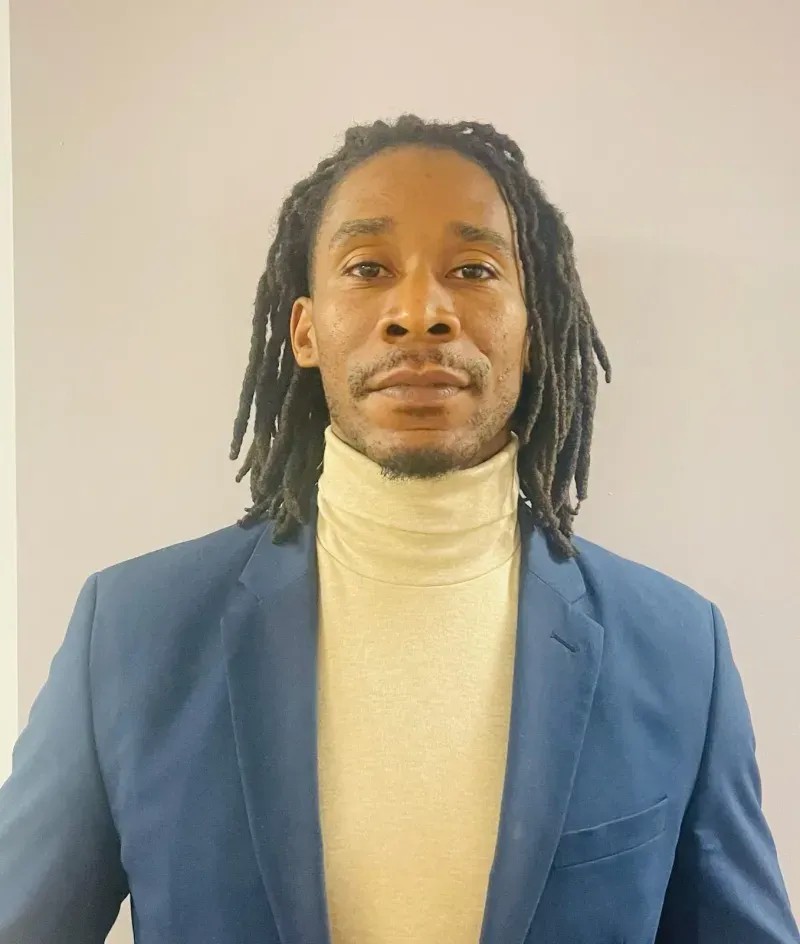
Youth Therapist
Supports youth ages 10 to 17 and helps families build practical home plans that improve parent-child relationships.
View Profile →
Licensed Social Worker · LSW
Helps families and couples make meaningful, sustainable changes, with special experience in special-needs families, schools, spirituality, and church hurt.
View Profile →
MS · LAPC
A United States veteran with 22 years of psychology experience supporting couples, families, and clients navigating trauma, anxiety, depression, and religious abuse.
View Profile →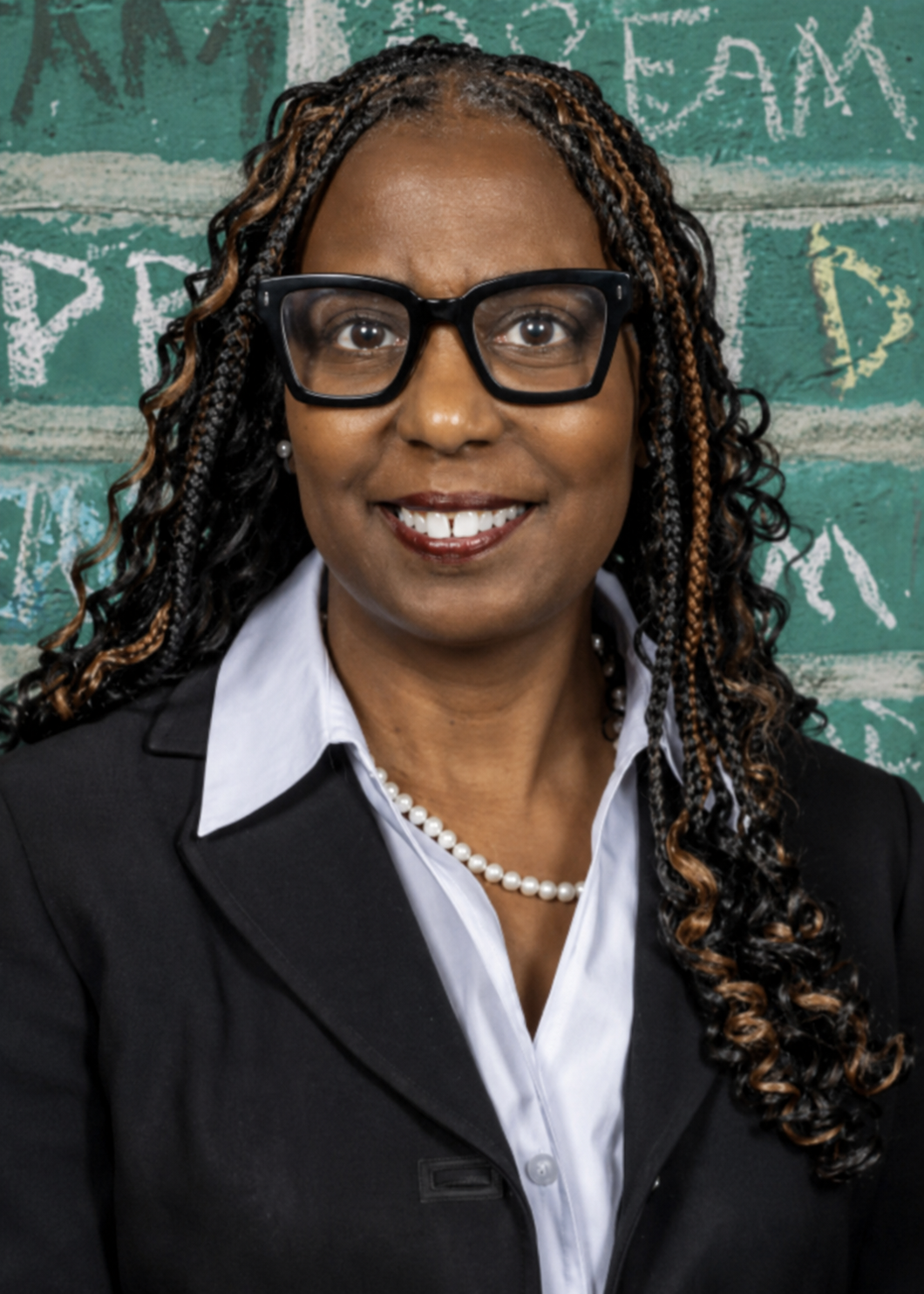
DA · MFT
A counseling practitioner and higher-education professional with more than 25 years of experience supporting mental wellness, healing, and growth.
View Profile →
Founder · CEO · Head Therapist
A therapist, coach, consultant, and organizational leader whose work centers on emotional wellness, relationships, leadership, and meaningful change.
Ann accepts a limited set of services. A consultation request does not confirm service fit or current availability.
Dr. Ann L. Colley is the Founder, CEO, and Head Therapist of Be Well Community, formerly A. L. Colley & Associates. Her work brings together psychotherapy, leadership coaching, organizational consulting, and faith-sensitive care.
Her clinical and professional interests include couples and relationship work, emotional regulation, interpersonal awareness, leadership development, pastoral counseling, sex therapy, and helping people confront the patterns that keep them from moving forward.
Licensed Social Worker
More than 25 years of experience supporting individuals and couples, including clients navigating addiction and co-occurring mental-health needs.
Eugene Marshall, LSW, is a graduate of Philadelphia’s Temple University and a Licensed Social Worker who has counseled individuals and couples with a wide range of challenges and concerns.
He brings more than 25 years of experience working with people affected by drug addiction alongside mental-health treatment needs. He also provides professional therapeutic interventions for individuals and couples.
Eugene uses an integrative therapeutic approach shaped by years of experience and diverse professional training. His passion also includes foreign missions in rural communities throughout Africa and Nicaragua with his church.
“I am a lifetime student who is eager to assist and also learn from you; so we can be the best versions of ourselves.”
Youth Therapist
Supports youth ages 10 to 17 and helps families build practical home plans that improve parent-child relationships.
Louis Antoine works with youth between the ages of 10 and 17 and brings more than 15 years of experience supporting young people with behavioral and mental-health challenges.
He also helps parents build practical home plans designed to strengthen the parent-child relationship and create greater consistency, communication, and support at home.
Licensed Social Worker (LSW)
Helps families and couples make meaningful, sustainable changes, with special experience in special-needs families, schools, spirituality, and church hurt.
Rebekah is passionate about helping families and couples through healing, growth, and self-discovery. With more than a decade of experience working with families and children across various settings, she has dedicated her career to supporting clients in making meaningful and sustainable changes in their lives.
Her professional background emphasizes the relationship dynamics of families and couples, especially those with young children or children with special needs. She also has extensive experience partnering with schools and collaborating with representatives, counselors, and administrators to address specialized needs.
With training in world religions, Rebekah supports individuals who have experienced church hurt and those who want to incorporate spirituality or spiritual practices into their healing journey.
Outside of her work with clients, she is a voracious reader and avid science-fiction fan.

LPC · CAADC
A licensed professional counselor and certified advanced alcohol and drug counselor with more than 20 years of experience.
Ahmez Jasper is a Licensed Professional Counselor (LPC) and a Certified Advanced Alcohol and Drug Counselor (CAADC). He received his master’s degree from Lock Haven University.
He brings more than 20 years of experience working with individuals and families of all ages. He began his career working with children and families and now works across the lifespan.
Ahmez describes his role as counselor, advocate, coach, and motivator.

DA · MFT
A higher-education professional and counseling practitioner with more than 25 years of experience supporting education, mental wellness, healing, and growth.
Dr. Angela McNeil is a dedicated higher-education professional and pre-professional licensed counseling practitioner committed to empowering individuals and communities through education and mental wellness.
Across more than 25 years of service, she has championed access, equity, student success, and personal development. She provides mental-health support that helps students and community members build effective strategies for managing stress, anxiety, grief, and trauma.
Her therapeutic work is culturally responsive, trauma-informed, and centered on creating safe spaces for healing and transformation. Her doctoral research examined the experiences of African American mothers who lost sons to gun violence, deepening her work with grief, generational trauma, and culturally competent care.
MS · LAPC
A United States veteran with 22 years of psychology experience supporting clients through relationship concerns, trauma, anxiety, depression, and religious abuse.
Asher Volkens, MS, LAPC, brings 22 years of experience in psychology, including work in private practice, prisons, and clinics throughout the Philadelphia area. He is a United States veteran who now serves the community through counseling and mental-health care.
Asher specializes in couples and family therapy, religious abuse, depression, anxiety, and post-traumatic stress disorder. He works to help clients feel comfortable discussing vulnerable experiences in a safe, caring, and judgment-free environment, both in person and through telehealth.
His therapeutic approaches include Dialectical Behavior Therapy, mindfulness, Cognitive Behavioral Therapy, and psychoanalysis. His goal is to support clients as they pursue healthy, productive, and fulfilling lives.